World Chagas Disease Day: Know the Facts, Protect Yourself and Your Family
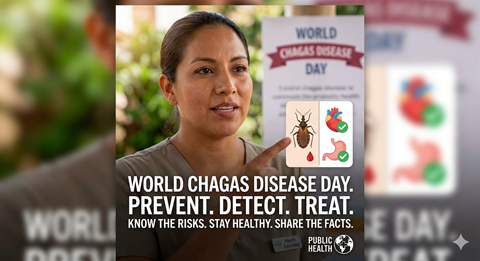
April 14, is World Chagas Disease Day. Under the theme “Women at the Heart: Protecting the Next Generation from Chagas Disease,” we spotlight this often-overlooked neglected tropical disease caused by the parasite Trypanosoma cruzi. Primarily endemic in 21 countries across Latin America, Chagas can spread through migration and affects millions worldwide.
The parasite is mainly transmitted by triatomine “kissing bugs” that bite at night and leave infected feces near the wound or mucous membranes. Other routes include mother-to-child (congenital) transmission, contaminated blood transfusions or organ transplants, and rarely, infected food or drinks. Acute infection may cause mild symptoms such as fever, fatigue, body aches, rash, or swelling at the bite site (chagoma) or eyelid (Romaña’s sign). Many people have no symptoms initially. Years later, 20–30% develop serious chronic complications, including heart failure, irregular heartbeats, or digestive disorders like enlarged esophagus or colon.
Prevention is straightforward and effective. In risk areas, seal cracks in homes, use insecticide-treated bed nets and repellents, and support community vector-control programs. Blood and organ donors are screened, and pregnant women of reproductive age should be tested and treated early to prevent passing the infection to babies. Travelers to endemic regions should avoid unpasteurized juices and use protective measures. There is no vaccine, but these steps drastically reduce risk.

If you notice symptoms—unexplained fever, persistent fatigue, swelling around the eyes or bite site, especially after travel or exposure—seek medical help immediately. Contact your doctor or local health clinic for blood tests. Early diagnosis allows treatment with antiparasitic medicines (benznidazole or nifurtimox), which are highly effective in the acute phase and can prevent lifelong complications.
Key points: Chagas disease is preventable, detectable, and treatable when caught early. Women play a vital role in protecting families through screening and care. Stay informed, practice prevention, and consult healthcare professionals promptly. Stay healthy—protect your heart and your loved ones—and share this message to raise awareness today!